
Things to Do in Galapagos Islands: Wildlife, Snorkeling & Adventure
The Galapagos Islands sit roughly 1,000 kilometers off the Ecuadorian coast — a volcanic archipelago where wildlife doesn’t flee from humans, lava fields meet turquoise ocean, and every snorkeling site feels like its own nature documentary. If you’re wondering what to do in the Galapagos, the honest answer is: you’ll run out of time before you run out of options.
Whether you’re booking a series of Galapagos day tours departing from Santa Cruz, San Cristobal, or Isabela, or considering Galapagos island hopping to explore multiple ecosystems in one trip, the archipelago offers experiences that simply don’t exist anywhere else on Earth. To understand the full range of destinations and tour options available, start with our complete overview of the Galapagos Islands and what to expect on each island.
Here’s a detailed breakdown of the best things to do in the Galapagos Islands.
1. Watch Wildlife That Has Never Learned to Fear Humans
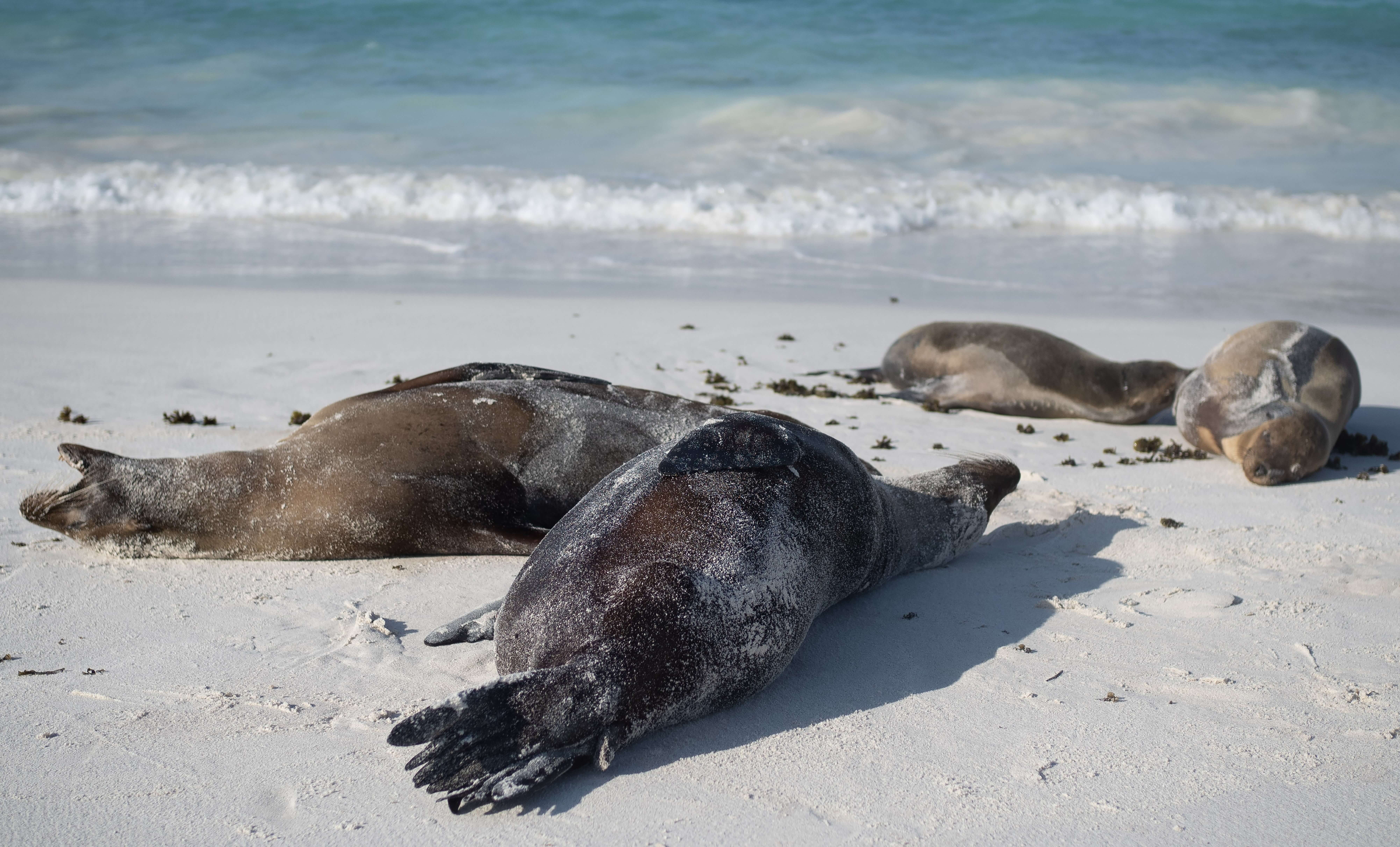
The defining feature of any Galapagos trip is the wildlife — and not in the “spot the animal through binoculars” sense. Marine iguanas sun themselves directly on the trail. Blue-footed boobies continue their mating dance as visitors photograph them from two meters away. Sea lions nap across the walkways. Penguins pop up beside snorkelers.
Key species and where to find them:
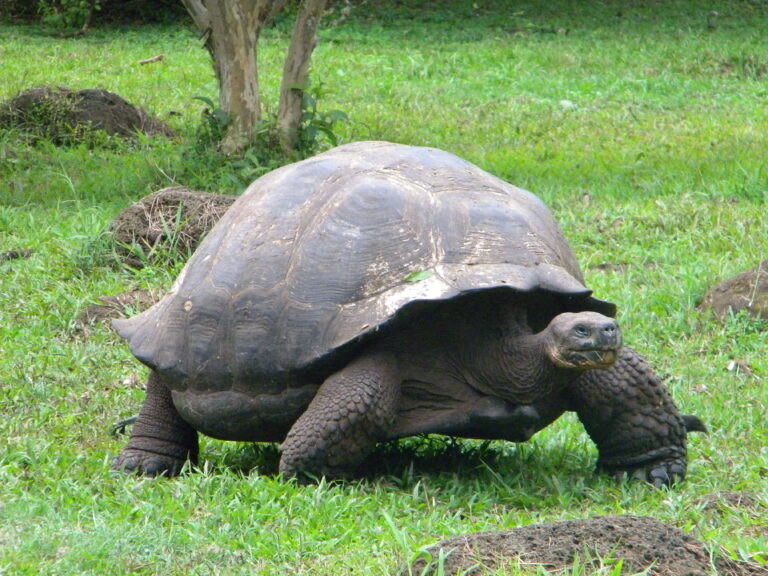
- Giant Galapagos tortoises — Charles Darwin Research Station and El Chato Reserve in the Santa Cruz highlands
- Blue-footed boobies — North Seymour Island, Punta Suarez (Española), Punta Pitt (San Cristobal)
- Marine iguanas — all major islands, especially Española and Fernandina
- Galapagos sea lions — San Cristobal’s waterfront, Gardner Bay (Española), Lobos Island
- Galapagos penguins — Bartolome Island, Isabela’s western coast
- Waved albatross — Española Island only, April to December
- Magnificent frigatebirds — North Seymour Island, San Cristobal
Each island has its own wildlife profile, which is exactly why visiting more than one island makes such a significant difference.
2. Snorkel at World-Class Sites Across the Archipelago
Snorkeling in the Galapagos isn’t just an add-on activity — it’s often the highlight of the entire trip. Visibility regularly reaches 15 to 20 meters, and the diversity of species underwater rivals anything found on tropical reefs.
Top snorkeling sites:
- Kicker Rock (León Dormido), San Cristobal — a vertical rock formation split by a narrow channel where hammerhead sharks, Galapagos sharks, sea turtles, and rays pass at close range. One of the most iconic snorkel experiences in the Pacific.
- Los Tuneles, Isabela Island — a maze of lava arches and shallow tunnels filled with seahorses, eagle rays, white-tipped reef sharks, and Galapagos penguins
- Bartolome Island — one of the few places where you can snorkel alongside Galapagos penguins in the same session as sea turtles and tropical fish
- Santa Fe Island — calm, clear waters with sea turtles and reef fish ideal for first-timers
- Champion Islet, Floreana — outstanding sea lion encounters and colorful reef species
Water conditions vary by season. The warm season (December–May) is ideal for beginners and families, while the cool season (June–November) brings the Humboldt Current with larger concentrations of pelagic species — hammerheads, whale sharks, and manta rays.
3. Hike to Iconic Volcanic Viewpoints
The geology of the Galapagos is as dramatic as its wildlife. These islands are among the most geologically active places on Earth, which means hikers encounter landscapes that feel genuinely alien.
Best hikes in the Galapagos:
- Bartolome Summit Trail — 114 wooden steps to a viewpoint above Pinnacle Rock, with panoramic views of Sullivan Bay’s lava fields. One of the most photographed locations in Ecuador.
- Sierra Negra Volcano, Isabela — one of the world’s largest active calderas, stretching 10 kilometers across. The hike along the crater rim reveals surreal lava formations and views across the island.
- Tortuga Bay Walk, Santa Cruz — a 4.5-kilometer path from Puerto Ayora to a stunning white-sand beach where marine iguanas patrol the shoreline
- Cerro Tijeretas, San Cristobal — an easy hike with bird’s-eye views over the harbor and the open Pacific
4. Explore Multiple Islands with Guided Excursions
Day tours operate daily from all three inhabited islands and provide the most flexible way to explore the archipelago without committing to a live-aboard cruise. A typical excursion departs early morning, includes a certified naturalist guide, boat transportation, and lunch, returning before evening.
5. Go Scuba Diving at World-Class Sites
For certified divers, the Galapagos offers sites that regularly appear in “best dive destinations on Earth” lists. Gordon Rocks (Santa Cruz) is one of the world’s premier hammerhead dive sites. Cousin’s Rock hosts seahorses and reef manta rays. Wolf and Darwin Islands — accessible only by liveaboard — are legendary for whale shark aggregations.
Even a single dive can produce encounters with dozens of hammerheads, schools of eagle rays, and large sea turtles — all in one session.
6. Visit the Charles Darwin Research Station
Located in Puerto Ayora on Santa Cruz, this is the archipelago’s main conservation and research center. Visitors walk freely through the grounds, observing different tortoise species including juveniles raised in the breeding program before their release into the wild. The station provides excellent context for understanding the conservation history of the Galapagos.
7. Take a Galapagos Cruise
For travelers with more time, a Galapagos cruise remains the most immersive way to experience the islands. Cruises range from 5 to 8 nights and visit remote sites that day-tour passengers cannot access, including the extraordinary wolf and darwin islands for divers.
Travel Tips for the Galapagos Islands
- Book tours in advance — visitor sites have daily limits and popular excursions sell out months ahead during peak season
- Use reef-safe sunscreen only — conventional sunscreens are prohibited within the national park
- Carry cash — ATMs on Santa Cruz and San Cristobal can be unreliable
- Respect the 2-meter rule — all visitors must maintain 2 meters distance from wildlife at all times
- Pack layers — mornings at sea can be cool even during the warm season
The Galapagos Islands are designated as a UNESCO World Heritage Site in recognition of their irreplaceable biodiversity and geological significance. This status enforces strict visitor regulations that protect the ecosystem while maintaining exceptional quality experiences. Tour operators like Equator Expeditions coordinate closely with the Galapagos Conservancy to ensure responsible tourism practices that minimize environmental impact across all excursions.
