Galapagos Snorkeling Guide: Best Sites, Marine Life & Tips
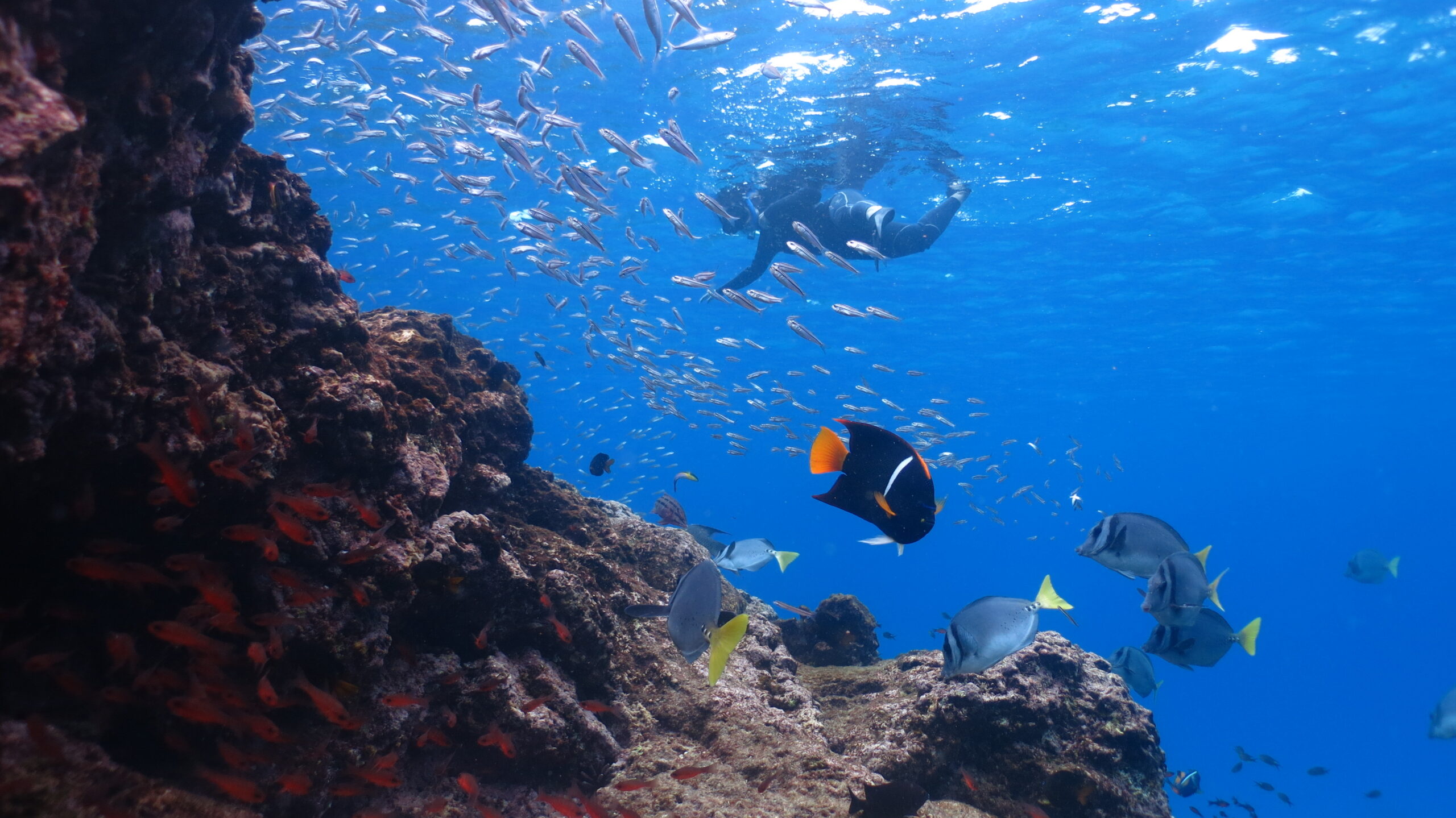
Snorkeling in the Galapagos Islands is one of the most unforgettable experiences you can enjoy during your trip. Thanks to the archipelago’s incredible marine biodiversity, visitors swim alongside sea turtles, playful sea lions, reef sharks, rays, Galapagos penguins, and hundreds of colorful tropical fish in crystal-clear waters.
Our Galapagos day tours include snorkeling at the top sites across the archipelago — from the famous Kicker Rock channel via day tours from Santa Cruz to the extraordinary lava tunnel system at Los Tuneles through day tours from Isabela Island.
The Best Snorkeling Sites in the Galapagos Islands
• Kicker Rock (León Dormido), San Cristobal: Sea turtles, eagle rays, reef sharks, and seasonal hammerhead sharks in a dramatic volcanic channel.
• Los Tuneles, Isabela Island: Seahorses, Galapagos penguins, reef sharks, and blue-footed boobies in unique lava formations.
• Bartolome Island: Snorkel alongside Galapagos penguins, sea turtles, and tropical fish near Pinnacle Rock.
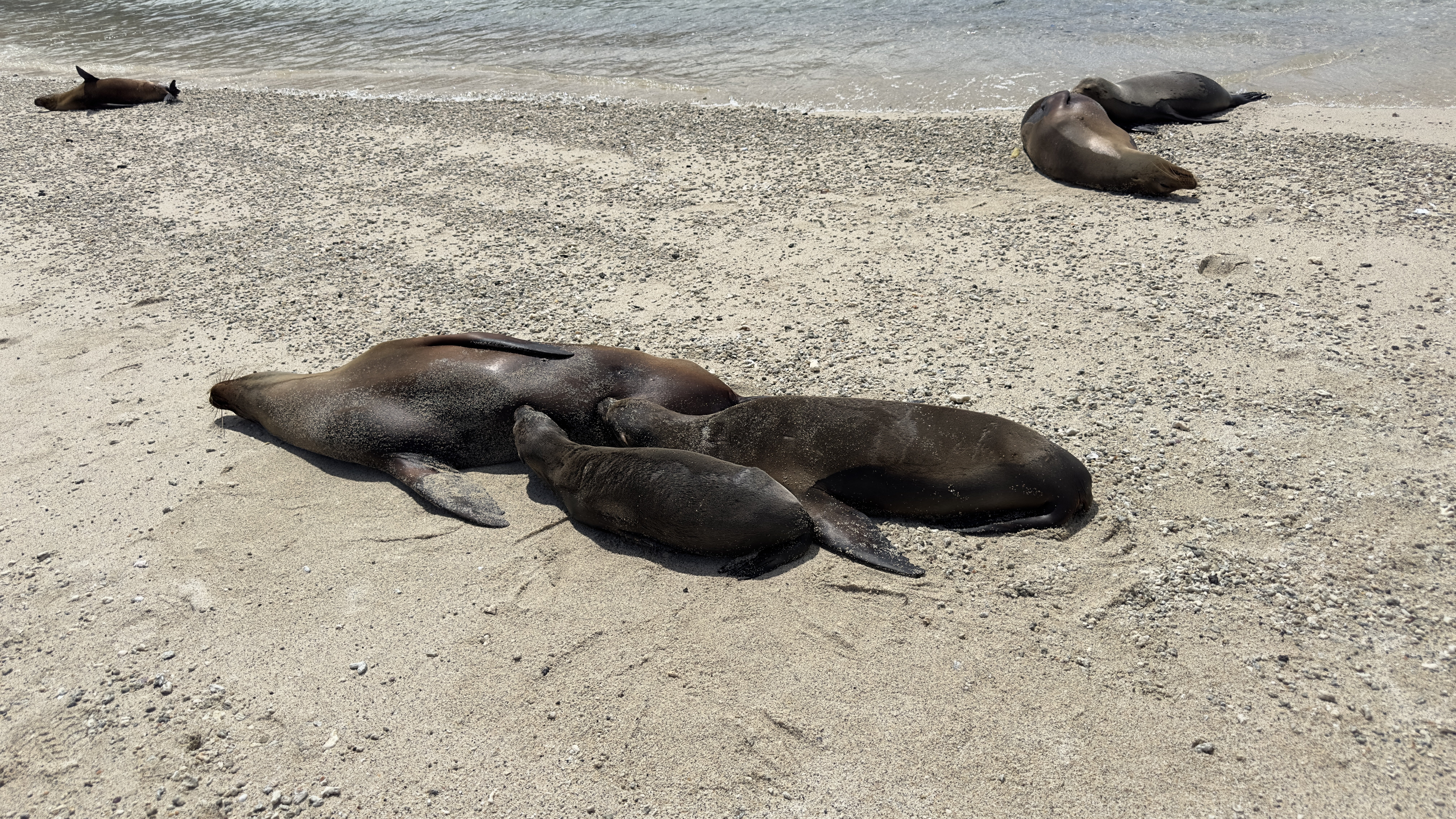
• Santa Fe Island: Crystal-clear waters with curious sea lions — ideal for first-time snorkelers.
• Concha de Perla, Isabela: Calm, shallow lagoon perfect for families and beginners.
• North Seymour & Mosquera Islet: Rich marine life close to Santa Cruz.
When Is the Best Time to Go Snorkeling?
Tips for an Unforgettable Snorkeling Experience
• Confirm what equipment is included before your excursion (mask, fins, wetsuit)
• Wear a wetsuit during the cooler months (June–November) for comfort
• Always follow your certified naturalist guide’s instructions
• Avoid touching marine wildlife and maintain a respectful distance at all times
• Use reef-safe sunscreen only — conventional sunscreens are prohibited in the national park
• Bring an underwater camera to capture memories without disturbing animals