
Best Time to Visit the Galapagos Islands: Weather, Wildlife & Seasons Guide
Choosing the best time to visit the Galapagos Islands is less about finding a “perfect” season and more about aligning your trip with the experiences that matter most to you. The archipelago welcomes visitors 365 days a year, and every single month brings something genuinely special — the Galapagos simply doesn’t have an off-season.
What does change significantly across the year is the weather, water temperature, sea conditions, and which wildlife events are occurring. Understanding these differences is the key to planning a trip that exceeds your expectations. If you’re still deciding on the type of experience you want, explore our full range of Galapagos day tours to understand what each island offers by season. For detailed temperature and precipitation data, our Galapagos weather and climate guide goes deeper into monthly conditions. And our complete Galapagos Islands overview provides the full planning context for first-time visitors.
Here’s a complete seasonal breakdown to help you decide when to go.
The Two Main Seasons in the Galapagos
The Galapagos climate is shaped primarily by two ocean currents: the warm Panama Current from the north (dominant December–May) and the cold Humboldt Current from the south (dominant June–November). These create two distinct seasons, each with clear advantages.
Cool and Dry Season: June to November
Known locally as the garúa season — named for the misty drizzle that characterizes mornings — this period brings cooler temperatures and dramatically more abundant marine life.
Weather: Air temperatures average 18°C to 24°C (65°F to 75°F). Overcast mornings give way to clearer afternoons. Seas can be choppy, particularly July through September.
Water temperature: Around 16°C to 22°C (61°F to 72°F) — a 3mm wetsuit is recommended for extended snorkeling.
Wildlife highlights:
- June–August: Humpback whale sightings; hammerhead shark aggregations at Gordon Rocks; Galapagos fur seals most visible; blue-footed booby nesting season
- August–September: Sea lion mating season; land iguana breeding; best diving conditions of the year
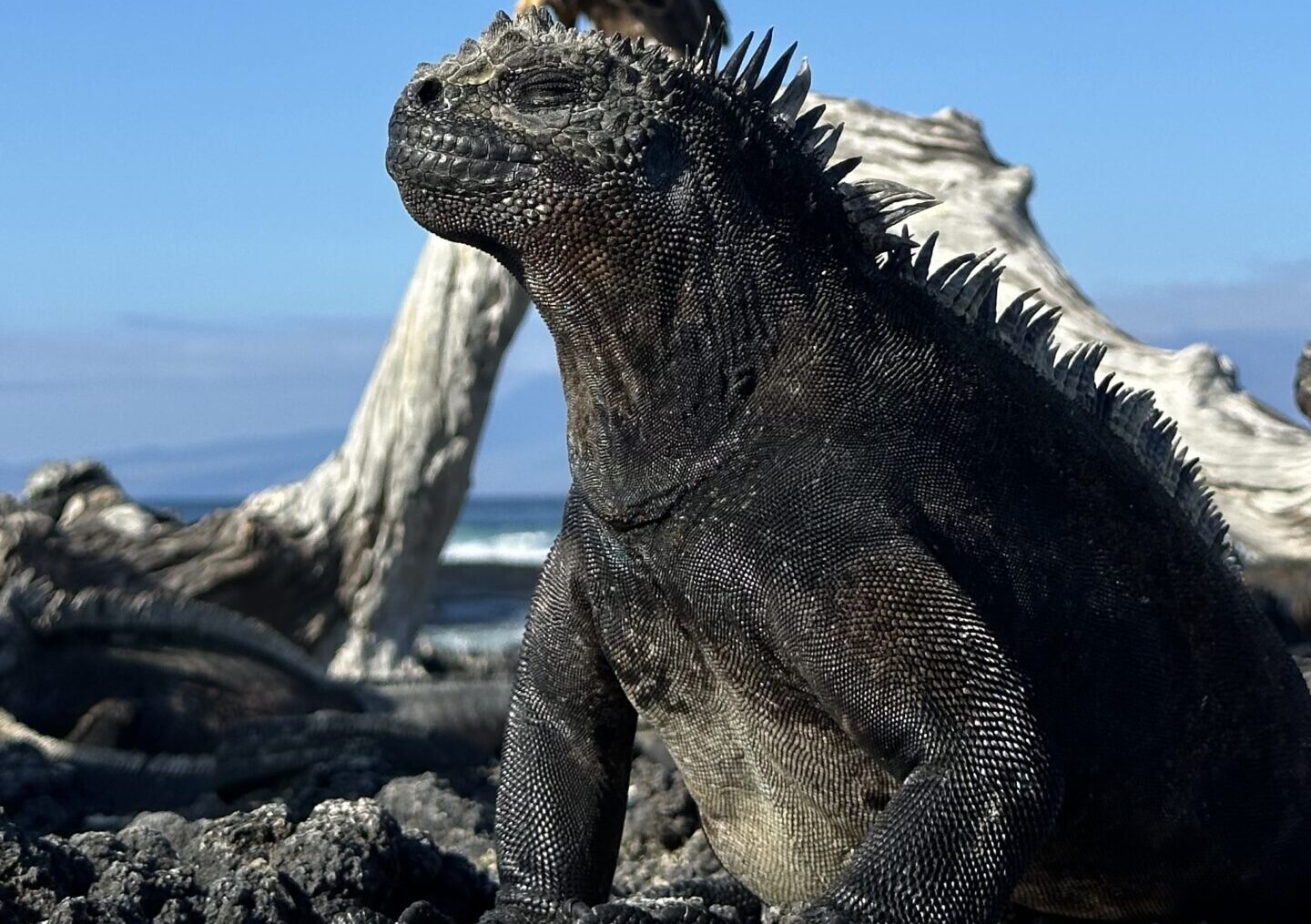
- October–November: Waved albatross chicks preparing to depart Española; green sea turtle mating; marine iguana nesting
Best for: Wildlife photographers, scuba divers, serious birdwatchers, and nature enthusiasts who want maximum biodiversity.
Month-by-Month Wildlife Calendar
| Month | Key Wildlife Event | Best Island |
|---|---|---|
| January | Sea turtle nesting | Santa Cruz, Isabela |
| February | Blue-footed booby courtship | North Seymour |
| March | Waved albatross arrives | Española |
| April | Sea lion pups appear | San Cristobal, Gardner Bay |
| May | Giant tortoise hatching begins | Santa Cruz highlands |
| June | Humpback whale sightings | Open ocean passages |
| July | Hammerhead aggregations (diving) | Gordon Rocks, Wolf Island |
| August | Sea lion mating season | Multiple islands |
| September | Best overall diving conditions | Gordon Rocks, Isabela |
| October | Albatross chicks departing | Española |
| November | Green sea turtle mating | Isabela, Santa Cruz |
| December | Sea turtle nesting begins | Santa Cruz, Isabela |
Best Time for Snorkeling
Warm season (December–May): Calmer seas, warmer water, excellent visibility. Ideal for beginners, families, and anyone who prefers not wearing a wetsuit.
Cool season (June–November): The Humboldt Current brings larger concentrations of pelagic species. Hammerhead sharks, eagle rays, whale sharks, and Galapagos sharks are more commonly encountered — particularly at sites like Kicker Rock and Gordon Rocks.
At any time of year, snorkelers can expect encounters with sea turtles, reef sharks, sea lions, rays, and colorful tropical fish.
Best Time for a Galapagos Cruise
Galapagos cruises operate year-round, typically spending 5 to 8 nights aboard visiting remote islands inaccessible by day tour.
- Calm seas and sunny weather: December to May
- Maximum marine wildlife: June to October
- Whale watching: June to September
Book cruises at least 6 to 12 months in advance for peak dates (December–January and June–August), as quality cabins sell out far ahead.
Peak vs. Shoulder Season
Peak season: December–January and June–August. Highest visitor volumes, premium pricing, sites more crowded.
Shoulder season: February–May and September–November. Best balance of good conditions, lower prices, and fewer crowds. Ideal for independent travelers and couples who value space.
Practical Planning Tips
- Book at least 3 months ahead — visitor quotas are strictly enforced and popular tours sell out year-round
- Pack layers regardless of season — cool mornings at sea and warm afternoons are the norm for most of the year
- Bring reef-safe sunscreen — chemical sunscreens are prohibited within Galapagos National Park
- Stay flexible — experienced guides adapt excursions to current conditions, and nature always has the final word
The Charles Darwin Foundation publishes regular research updates on wildlife behavior and ecosystem conditions in the Galapagos — an excellent resource for travelers wanting to align their visit with peak wildlife moments. For broader Ecuador travel planning across seasons, Ecuador Travel (Ecuador’s official tourism portal) offers regional destination guides and useful itinerary inspiration
There Is No Bad Time to Visit the Galapagos
Every month in the Galapagos produces extraordinary wildlife encounters. The key is simply matching your travel window with the experiences that excite you most — whether that’s watching albatross chicks take flight, diving with hammerheads, or photographing sea lion pups at sunrise.
Our team at Equator Expeditions specializes in designing Galapagos trips around your travel dates, interests, and budget. Contact us to start planning your trip today — no matter the season.
