
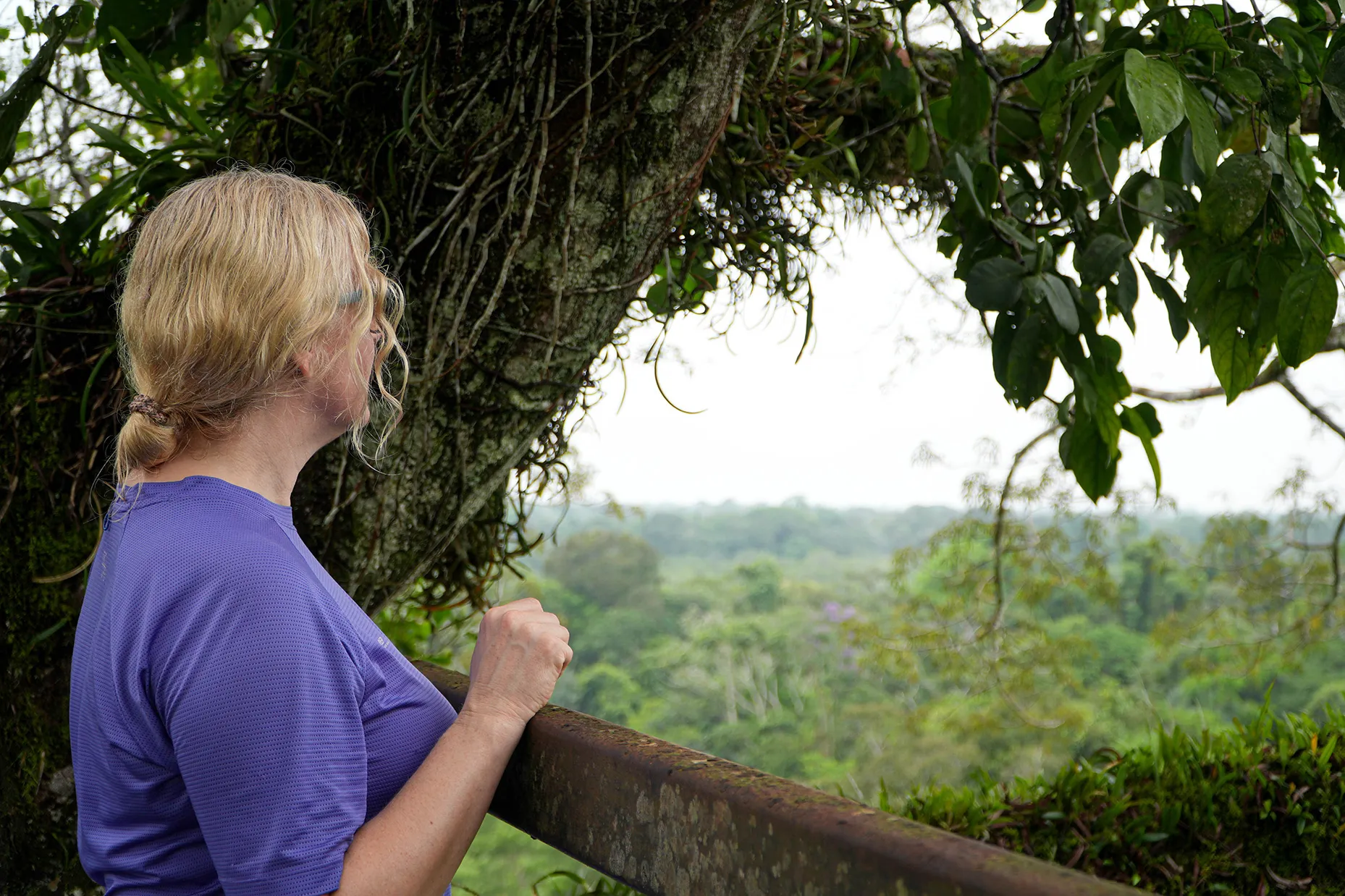
Amazon Wildlife by Region: What You Can (and Can’t) See
The Ecuadorian Amazon is one of the most biologically rich places on Earth. Covering nearly half of Ecuador’s territory, this vast rainforest protects ancient ecosystems where rivers, flooded forests, terra firme jungle, and Indigenous territories coexist in remarkable balance.
Yet many travelers arrive with one big question: What wildlife will I actually see?
The truth is that wildlife viewing in the Amazon depends heavily on the specific region you visit. The Ecuadorian Amazon is not a single uniform forest. Each protected area offers a different landscape, different access conditions, and different wildlife probabilities. Understanding these differences is key to setting realistic expectations and choosing the right experience.
Yasuni National Park: Deep Primary Rainforest
Located in Ecuador’s far eastern lowlands near the Peruvian border, Yasuni National Park is globally recognized as one of the most biodiverse areas on the planet. It protects vast expanses of primary rainforest, winding blackwater rivers, and remote ecosystems that remain largely untouched. The scale of the forest, combined with its isolation, creates one of the most immersive jungle environments in South America.
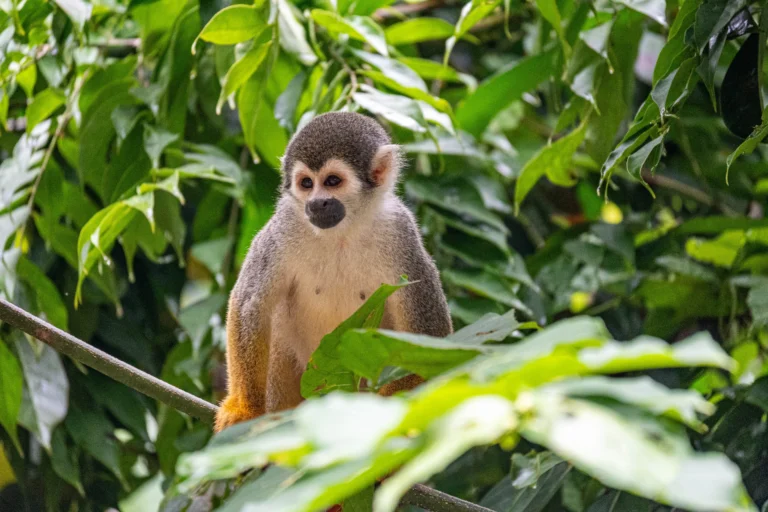
Yasuni is considered one of the best regions in Ecuador for observing larger mammals, although wildlife sightings are never guaranteed. Visitors may encounter pink river dolphins moving silently through the rivers, giant otters along secluded tributaries, and several species of monkeys such as squirrel monkeys, howler monkeys, spider monkeys, and capuchins. Macaws and parrots gather at clay licks in vibrant displays of color, while black caimans rest along the riverbanks and sloths remain nearly invisible high in the canopy.
The park’s depth and remoteness increase the possibility of rare encounters. Jaguars, tapirs, and peccaries inhabit the forest, but they are elusive and seldom seen. What truly makes Yasuni extraordinary is not only the chance of spotting iconic species, but the overwhelming density of life in every layer of the rainforest, from the forest floor to the treetops. It is primary rainforest in its most intact and powerful form.
Cuyabeno Wildlife Reserve: Lagoons and Flooded Forests
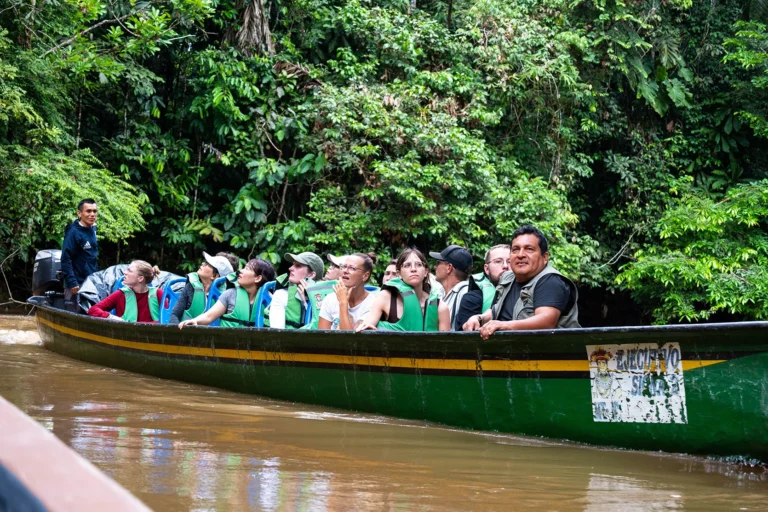
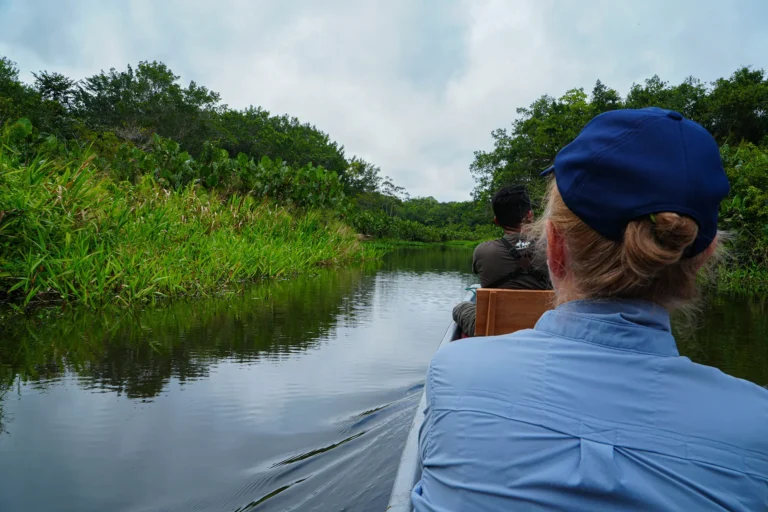
Cuyabeno, located in northeastern Ecuador, is defined by its extensive lagoon systems and seasonally flooded forests. During high water season, canoe navigation allows visitors to glide quietly through submerged jungle corridors.
This environment makes Cuyabeno particularly strong for aquatic and semi aquatic wildlife. Common sightings include:
- Pink river dolphins in the main lagoons
- Anacondas in marshy vegetation
- Spectacled caimans and occasionally black caimans
- Hoatzins perched near the water
- Capuchin and squirrel monkeys
- Tree frogs and poison dart frogs during night walks
Cuyabeno is also excellent for birdwatching, especially at sunrise and sunset around the lagoons. While large terrestrial mammals exist here, the region is especially rewarding for reptile, amphibian and bird enthusiasts.
The canoe based exploration creates intimate and silent wildlife moments that feel very different from hiking focused regions.
Upper Amazon near Tena: Transition Forest and Accessibility
The Upper Amazon, near Tena and the Andean foothills, offers easier access from Quito and shorter travel times. The ecosystem here transitions between cloud forest and lowland rainforest, creating unique biodiversity patterns.
Wildlife in this region often includes:
- Toucans and other colorful mid canopy birds
- Hummingbirds attracted to flowering plants
- Small monkey species
- River turtles
- A wide diversity of butterflies and insects
While sightings of large mammals such as giant otters or tapirs are less common compared to deeper regions like Yasuni, the Upper Amazon compensates with accessibility, cultural interaction with local communities, and a mix of adventure activities such as rafting and jungle hikes.
It is an excellent option for travelers with limited time who still want an authentic rainforest experience.
Understanding Wildlife Expectations
Unlike African savannas, the Amazon rainforest does not provide open landscapes where animals are easily visible. The forest is dense, layered and acoustically alive.
Animals are masters of camouflage. Many species are nocturnal. Others remain high in the canopy, often heard before seen.
Wildlife encounters in the Ecuadorian Amazon are subtle and immersive. A distant monkey call at dawn. A ripple in the river signaling a dolphin. A frog illuminated during a night walk. These are the moments that define the experience.
The Amazon rewards patience rather than spectacle.
Following your guided island exploration, you’ll enjoy an exclusive snorkeling experience in the archipelago’s pristine waters. Encounter reef sharks, sea turtles, rays, and curious sea lions, all in their natural habitat—an unforgettable glimpse into one of the world’s richest marine ecosystems.
Return to Santa Cruz Island in the late afternoon, refreshed and inspired, with every detail of your day seamlessly handled—leaving you free to simply enjoy the magic of the Galapagos.
So, When Is the Best Time to Visit?
- There is no single “best” month to visit Mindo. Each season offers its own advantages.
- Travelers who prefer slightly drier conditions often choose June to September. Those interested in lush landscapes and active birdlife may find the wetter months especially appealing.
- Mindo is truly a year-round destination where every season reveals a different side of the cloud forest.
Plan Your Mindo Experience
Whether you are interested in waterfalls, wildlife, adventure, or a peaceful escape, Mindo offers remarkable biodiversity and scenic beauty year-round.
Although it has drier and wetter periods, seasonal differences are subtle. Light rain is part of the cloud forest’s charm and helps keep the landscape green, waterfalls flowing, and wildlife active throughout the year.
No matter when you visit, you will experience lush scenery and unforgettable nature. Our team can help you design a personalized itinerary based on your travel dates and interests.
