
Española Island Galapagos: Waved Albatross & Wildlife Tour Guide
An Española Island Galapagos tour is widely regarded as one of the most spectacular wildlife excursions in the entire archipelago. Located in the southeastern Galapagos, Española is one of the oldest islands and has evolved in remarkable isolation, making it home to several species found nowhere else on Earth. For anyone booking Galapagos day tours with wildlife as the priority, Española consistently ranks as one of the top-rated experiences in the Galapagos Islands.
Waved Albatross Colony
The island’s greatest attraction is the Waved Albatross. Española is the world’s only breeding site for this incredible seabird. From approximately April through December, thousands of albatrosses return to perform elaborate courtship dances before nesting. Watching these graceful birds launch themselves from the cliffs into the Pacific Ocean is one of the most memorable wildlife experiences in South America.
Punta Suarez
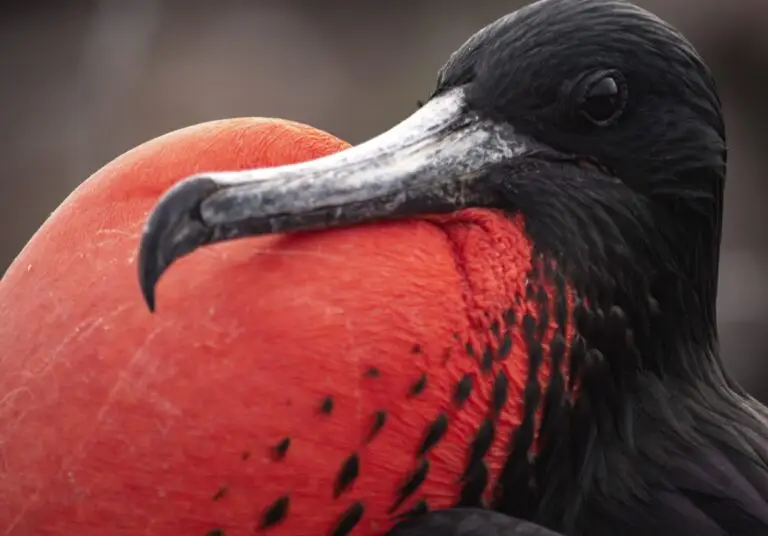
Most day tours include a guided walk at Punta Suarez, where you’ll encounter marine iguanas unique to Española, Nazca Boobies, Blue-footed Boobies, Mockingbirds, Lava Lizards, Swallow-tailed Gulls, and Galapagos Hawks. One of the highlights is the famous blowhole, where ocean waves force water through volcanic rock creating a dramatic spray over 20 meters high.
Gardner Islet Snorkeling
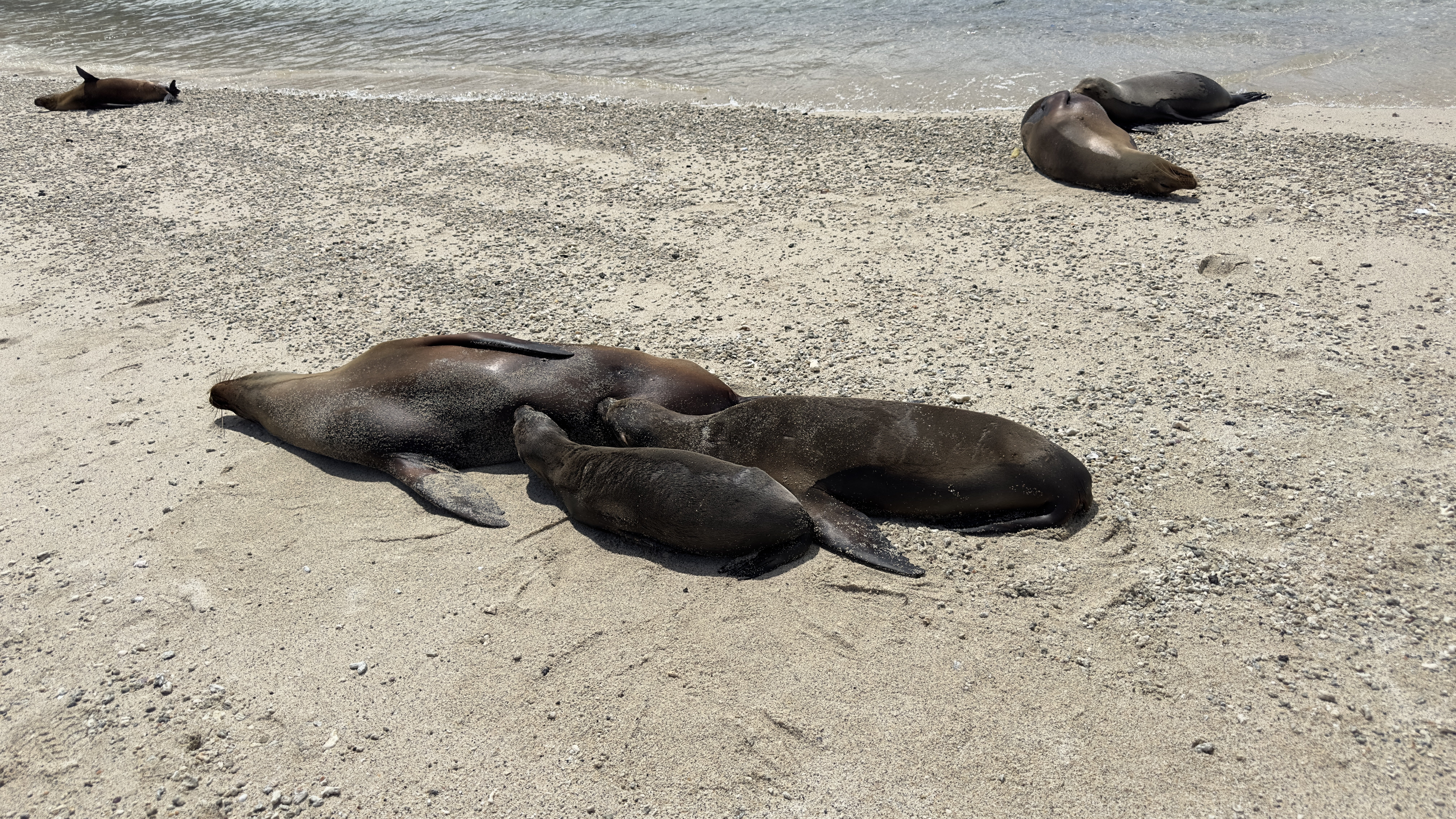
After the hike, most tours continue to Gardner Islet. The crystal-clear waters offer exceptional snorkeling — sea turtles, reef sharks, rays, sea lions, and colorful reef fish are all common sightings.
All visitor sites in the itinerary operate under daily capacity limits set by the Galapagos National Park — booking tours in advance is essential, particularly during peak season. For additional Ecuador travel planning context, Ecuador Travel (Ecuador’s official tourism portal) provides useful destination guides for combining Galapagos with mainland itineraries.
Best Time to Visit Española
• April–December: Waved Albatross breeding season (peak wildlife experience)
• June–November: Cooler water with excellent marine life diversity
• December–May: Warmer temperatures and calmer seas for snorkeling
The endemic species found exclusively on Española are the result of millions of years of geographic isolation. Conservation research conducted by the Charles Darwin Foundation has been instrumental in protecting these populations, while the Galapagos Conservancy supports ongoing habitat restoration and invasive species removal programs that have helped Española’s endemic wildlife recover significantly.
